

Human vs. Machine in Paid Media: What To Automate and What To Keep Manual in 2026


Paid media has always rewarded teams that can make smart decisions quickly. Over the last few years, that race sped up. Machines took over big chunks of the work:
- Bidding by the millisecond
- Stitching together audience signals
- Testing creatives at a scale no human team could touch
But are the brands winning right now? They pair that speed with a strong point of view, smart guardrails, and creativity that actually makes people feel something.
So the question for 2026 isn’t “Should we automate?” It’s “What should we automate, and what needs a human strategist?” Keep on reading to find the answers to these critical questions.
The Evolution of Paid Media: How We Got Here
If you’ve been around pay-per-click (PPC) advertising long enough, you’ll remember rules-based bid managers and endless Excel sheets. Then came platform-native automation like Enhanced CPC, target CPA, and target ROAS. After that, full-funnel systems that buy, place, and optimize across channels with almost no human intervention.
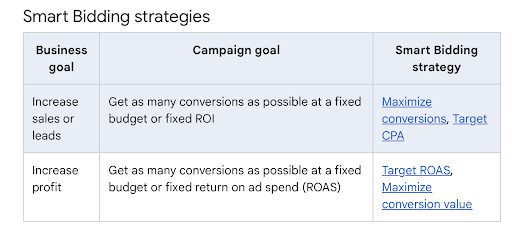
Google’s Smart Bidding cemented the shift from manual tweaks to model-driven goals. This uses millions of signals to predict conversion likelihood at auction time. Meanwhile, Meta took a similar path with Advantage+ campaigns. They bundle audience, placement, and creative optimization under one automated umbrella.
Two things made this possible:
- Machine learning that can digest messy, high-dimensional data
- Privacy-driven measurement shifts that rely on modeled outcomes instead of perfect logs.
The upside is real:
- Better efficiency at scale
- More consistent pacing
- The ability to target based on intent and context rather than brittle keyword lists alone.
The tradeoff? A growing black box. You often get less transparency into why something worked, and you need to be more deliberate about the outcomes you optimize for.
Automation is changing daily practice across Google, Meta, Microsoft, Amazon, and the wider programmatic ecosystem. And even small and mid-sized companies have their fair share of using automation for paid media.
Take it from Adrian Iorga, Founder and President of Stairhopper Movers. They leverage software automation to bid, publish, track, and optimize PPC ads for their moving business. However, he emphasizes the value of human creativity in various aspects of the paid media process.
Iorga says, “Automation excels at processing vast amounts of data and making rapid bid adjustments. But you still need humans to make sure those decisions align with what the business actually needs. The campaigns that perform best have automation handling the repetitive tasks while strategists focus on creative messaging and audience insights.”
Paid Media Automation: What To Automate
Paid media automation works best when it’s applied deliberately, not everywhere at once. The goal isn’t to hand over control blindly, but to use a data-driven framework for a smarter campaign. This allows machines to handle high-volume optimization while humans stay focused on outcomes that actually matter.
What marketers are automating now
Today’s baseline automations cover a lot of the busy work:
- Bidding and budget pacing – tCPA, tROAS, value-based bidding, Enhanced CPC, automated budget rebalancing
- Creative assembly and testing – Responsive Search Ads, Dynamic Search Ads, Dynamic Creative Optimization, asset-level rotation
- Audience expansion – Lookalikes, similars, predictive audiences, broad match with smart guardrails
- Reporting – Insights, anomaly detection, modeled conversions when direct attribution is limited
- Cross-channel campaign types – Performance Max manages placements and creative mix across inventory
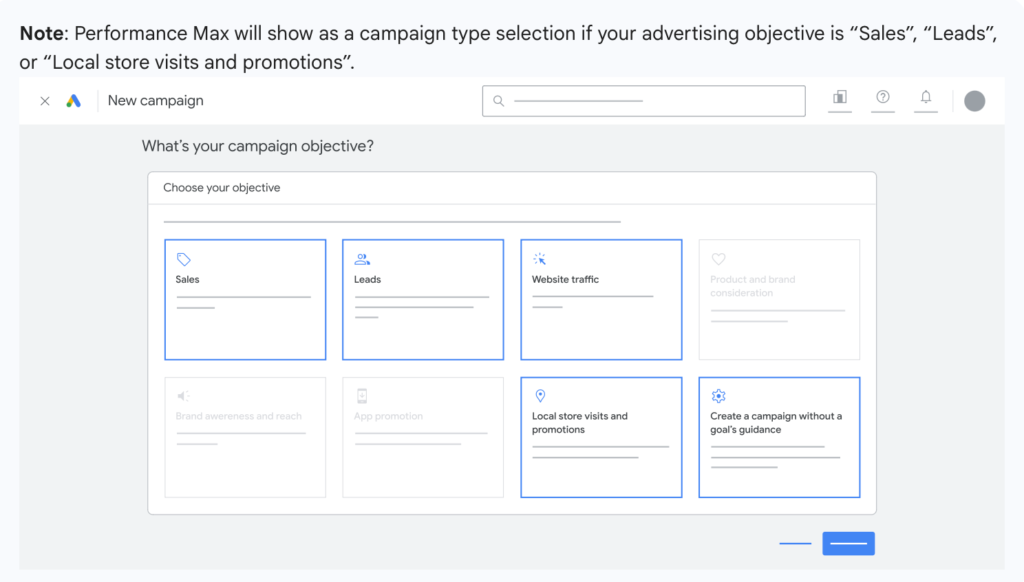
How does automation work? Across industries, automation follows the same principle: Let systems handle repeatable optimization while humans define what success actually means.
For example, if you’re advertising Vertical Lift Modules for your manufacturing company, automation can manage bids, test creative variations, expand audiences, and optimize campaigns. However, that would work only if you’ve clearly defined high-value actions, such as qualified demo requests and offline sales conversions.
As privacy limits reduce user-level data, platforms rely more on modeling. This makes precise goal-setting, offline conversion imports, and lift validation through geo tests or MMM essential to keep automated systems aligned with real business outcomes.
What’s coming in 2026
The next phase isn’t just faster bidding. It’s smarter systems that predict behavior ahead of time and tailor experiences in the moment. Likewise, it entails coordinating across channels without being told exactly what to do. That said, here’s what to expect:
The next phase isn’t just faster bidding. It’s smarter systems that predict behavior ahead of time and tailor experiences in the moment. Likewise, it entails coordinating across channels without being told exactly what to do. That said, here’s what to expect:
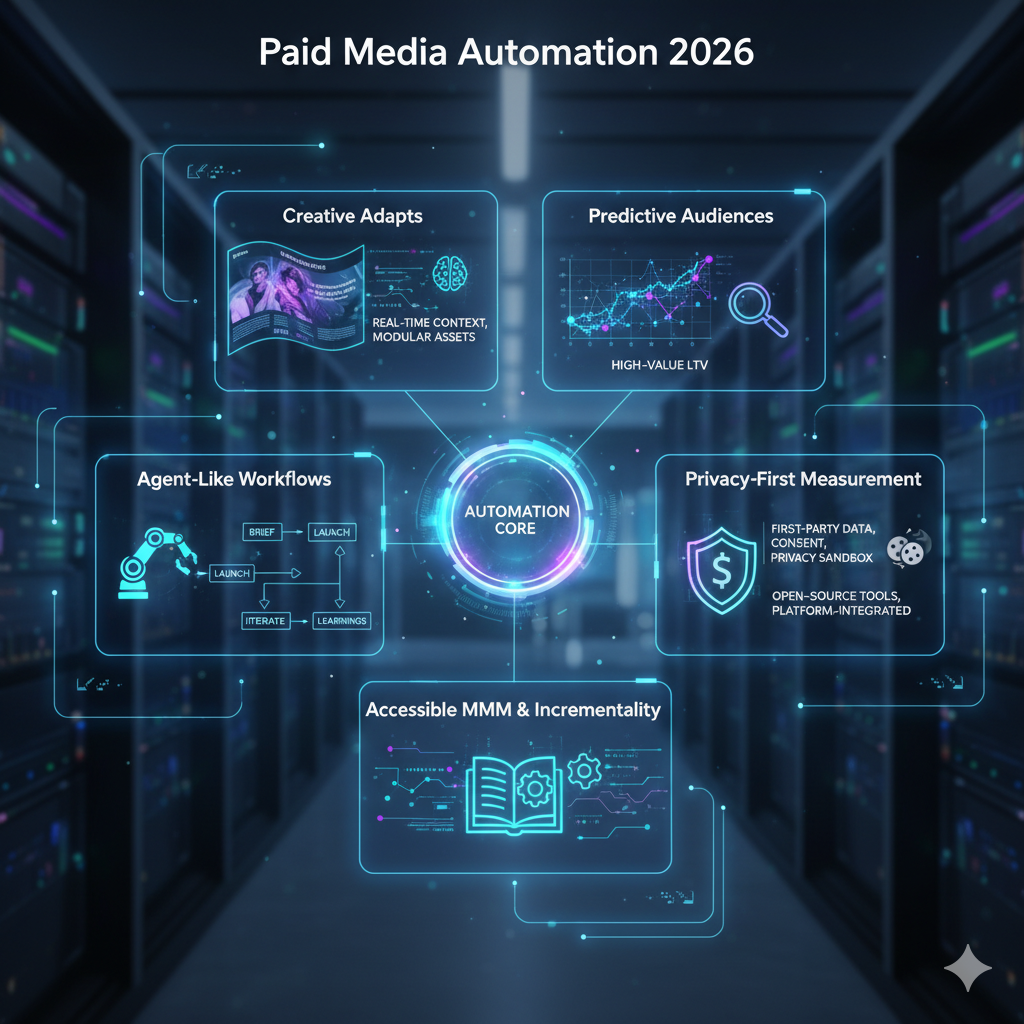
- Creative that adapts – Real-time changes to context, inventory, and user intent, informed by brand-provided guardrails and modular assets
- Predictive audience building – Beyond lookalikes to propensity for high-value actions or long-term LTV
- Agent-like workflows – Systems that can generate, launch, and iterate campaigns from a brief, then summarize learnings
- Privacy-first measurement – First-party data, consent signaling, and privacy-preserving APIs as third‑party cookies phase out and Privacy Sandbox matures.
- Accessible MMM and incrementality testing – Open-source tools and platform-integrated options lowering the barrier to adoption.
Campaign management will look more like setting objectives, constraints, and creative boundaries, then supervising and course-correcting. Performance tracking will combine modeled conversions, consent-aware analytics, and periodic holdout tests to double-check that the “smart” system is driving real incremental outcomes.
Automation in 2026 won’t stop at bidding and targeting. It will extend into the operational layers that support paid media execution.
For instance, contract management software will automate insertion orders, approvals, compliance checks, and renewal tracking across agencies and media partners. This reduces the friction that often slows campaigns down.
With administrative work handled in the background, your team can launch faster and maintain stronger governance. That way, you can keep human effort focused on strategy, creative judgment, performance oversight, and other core business functions.
Manual Paid Media: What To Keep Human
Even as automation spreads, some parts of paid media still require holistic paid marketing. It’s the ability to balance performance goals with brand context and long-term impact.
Business strategy, creative direction, and ethical judgment depend on human understanding of nuance and tradeoffs that machines can’t fully evaluate. This ensures automation supports business priorities instead of optimizing in isolation.
Here’s what to keep manual for your paid media:
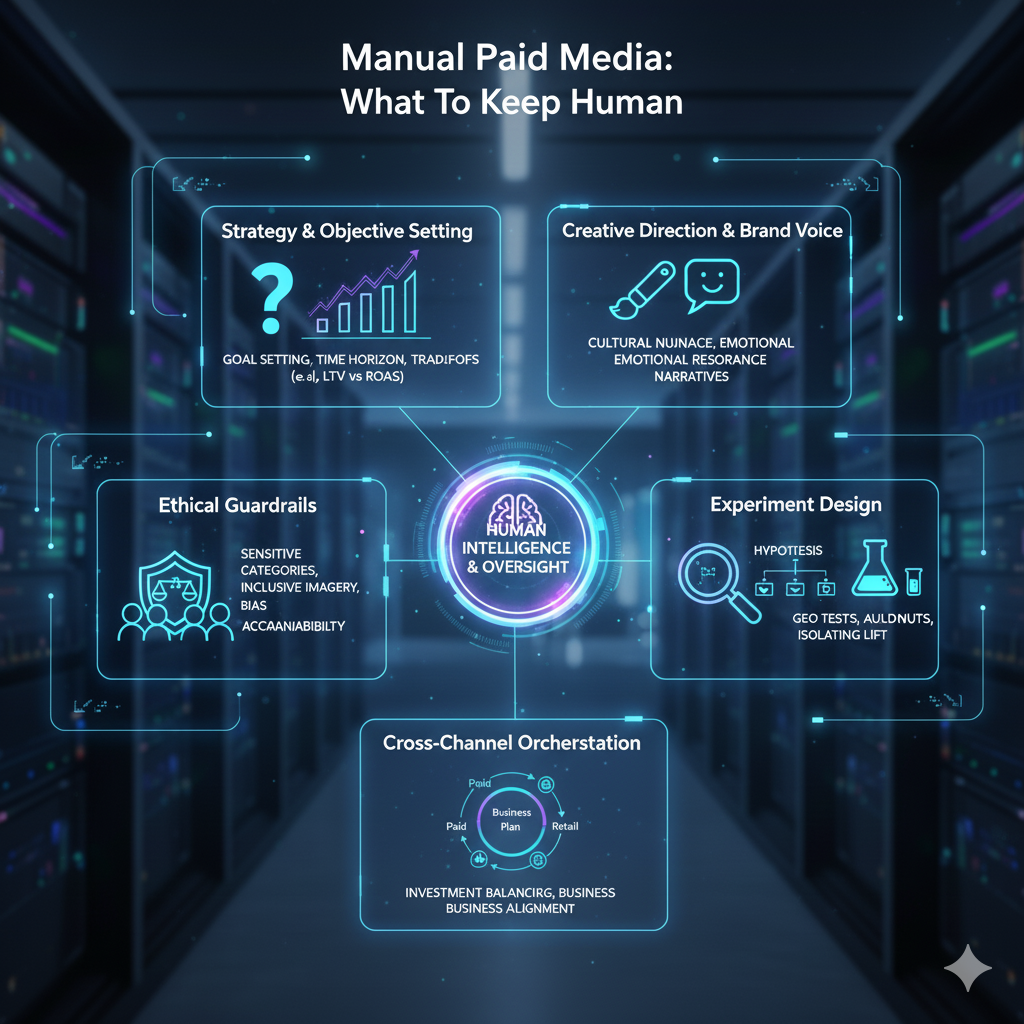
- Strategy and objective setting: Machines optimize for the goal you give them. Humans choose the right goal, time horizon, and tradeoffs. Should you prioritize new customer acquisition over short-term ROAS? Profitability over revenue? Those are human calls.
- Creative direction and brand voice: Machines can optimize for clicks and conversions, but they cannot understand cultural nuances or emotional resonance. The most successful campaigns we run combine automated distribution with human-crafted narratives that truly connect with audiences.
- Ethical guardrails: Choosing not to target sensitive categories. Making sure imagery and copy are inclusive. Holding platforms accountable when automated delivery skews toward biased outcomes.
- Experiment design: Designing geo tests, audience holdouts, and rotation plans that isolate lift. Automation runs the tests; humans frame the question and interpret the results.
- Cross-channel orchestration: Balancing investment across paid, organic, retail media, and lifecycle programs. Machines optimize within channels. Humans align the whole plan with the business.
This is also where human intuition matters. Data tells you what happened; judgment helps you decide why it happened and what to try next. A machine might happily chase cheap conversions in a saturated audience. A strategist sees brand fatigue building and pivots the message or frequency cap before performance falls off a cliff.
Case in point: Manual oversight is especially important in niche or high-consideration categories, such as pool safety fences. Client trust, proper education, and local regulations matter as much as performance metrics.
As a strategist, you must decide how to frame safety messaging, manage frequency to avoid fear-based fatigue, and align paid media with organic content and offline sales efforts. That way, your human judgment shapes the narrative and pacing in ways automation alone simply can’t replicate.
How To Build a Hybrid System
A simple rule: Automate high-volume, data-rich, low-risk tasks; keep humans in charge of high-context, brand-sensitive, or high-stakes decisions. Here’s how to put that into action:
- Define success precisely. Pick one primary optimization goal per campaign. Map micro-conversions to real value. Import offline conversions when possible.
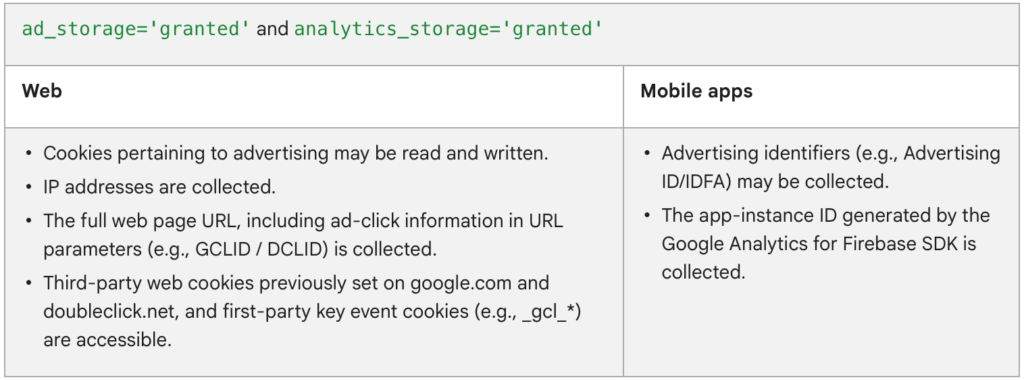
- Feed better data. Clean conversion tagging, deduplicated event streams, and consent-aware implementations increase model quality. Google’s Consent Mode and modeled conversions can help fill gaps when consent is limited.
- Set guardrails. Use brand safety lists, excluded placements, geo constraints, frequency caps. For Performance Max and Advantage+, be explicit about negative keywords, audience exclusions, and brand terms.
- Start conservative. Begin with conservative targets, test in a subset of markets, expand as you see stable lift versus a holdout.
- Validate incrementality. Use geo experiments, PSA tests, or MMM to cross-check platform-reported gains.
- Keep creatives human-led. Provide modular assets and approved narratives so the system can remix without losing your voice.
- Review weekly. Audit search term themes, placement quality, creative distribution, budget shifts. Look for drift between platform optimization and business priorities.
- Leverage technology. As automation evolves, teams should consider PPC tools to use in 2026. The right tools reduce manual overhead and surface insights without replacing human judgment.
The key to success in 2026 will be knowing when to let the machines drive and when to take control yourself. Develop a decision matrix that helps our team identify high-value manual interventions. Meanwhile, let automation handle bid management and audience targeting. The same principles apply when choosing a PPC agency to work with for your paid media.
Final Words: Where This Goes
The line between human and machine in paid media will keep shifting. But the core idea holds: Let machines do what they’re great at, like pattern recognition at scale and lightning-fast iteration. Let humans do what only humans can, like setting strategy, telling stories, and upholding ethics.
In 2026, automate repetitive stuff, such as bidding, pacing, inventory allocation, micro-creative testing, and predictive segmentation. On the flip slide, keep the manual on the high-impact work, like brand narrative, objective setting, audience value frameworks, experiment design, and ethical guardrails.
Get that balance right, and you’re not choosing sides. You’re building teams where automation is the engine, and people steer. That’s what turns a smart ad system into something that actually grows your business. To get more insights into paid media, sign up now to subscribe to our weekly blog updates!
