

The Hidden Power of Audience Segmentation in PPC Campaigns


Most pay-per-click campaigns (PPC) don’t fail because the ads are poorly made; they fail because they’re reaching the wrong audience. That’s where the power of audience segmentation in PPC campaigns quietly makes all the difference.
Rather than casting a wide net and hoping for the best, segmentation lets you target the people who actually care about what you’re offering. It’s about relevance, not just reach.
In this post, I’ll show you the power of audience segmentation in PPC campaigns. You’ll discover how audience segmentation works and why it’s become a must for smart advertisers.
What Is Audience Segmentation in PPC Campaigns?
Audience segmentation in PPC campaigns means splitting your target users into smaller groups based on factors such as age, location, buying habits, or interests.
Instead of showing one ad to everyone, you create different PPC content for different groups. This helps you talk to each group in a way that feels more personal and relevant.
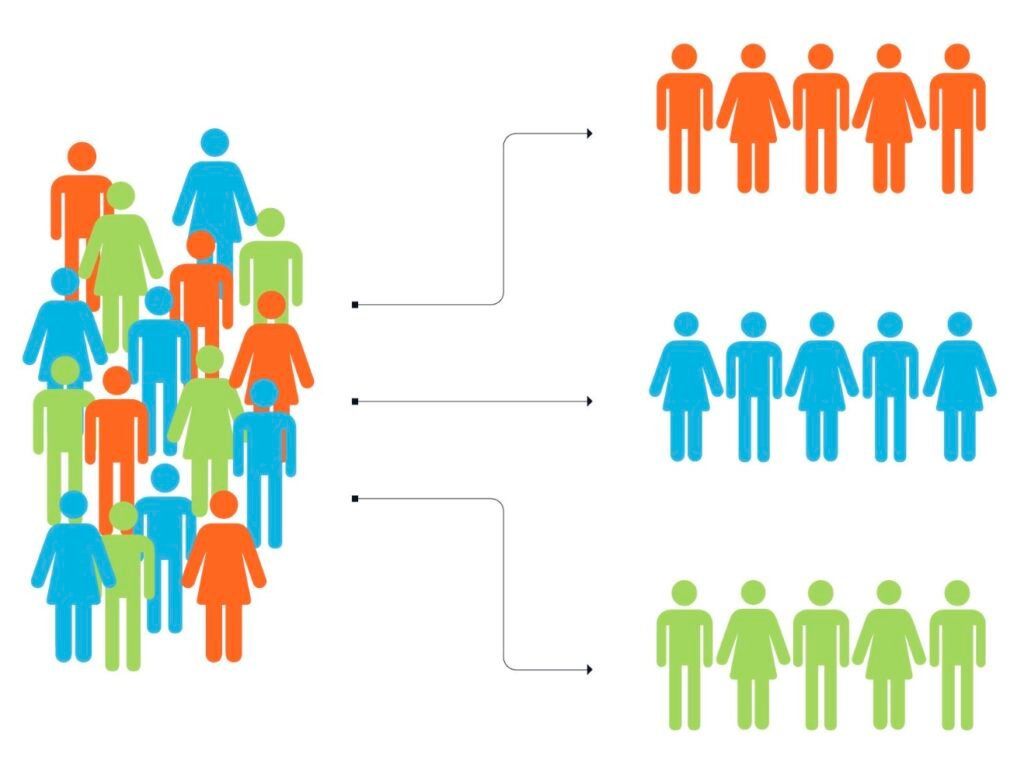
The power of audience segmentation in PPC campaigns comes from how it helps you focus. For example, if you’re running ads for shoes, you’d speak differently to a returning customer than to someone who’s never heard of your brand.
Segmentation lets you tailor your approach to match where each person is in their journey. It’s about delivering the right message to the right audience at the right time.
Types of Audience Segmentation
There’s no single way to group your audience because different people respond to different messages for different reasons.
Here are a few common ways to segment your audience:
Demographics
This is segmentation that focuses on age, gender, income, and job titles. It’s one of the most common ways to sort an audience because it gives you a quick snapshot of who people are.
Interests and Behaviors
This type groups people based on what they search for, watch, click on, or buy. It’s great for finding people who already care about your topic or product. It can also help you avoid wasting your PPC budget on individuals who are unlikely to take action.
Geographic and Device-Based Segmentation
This type focuses on the location of the person and the type of device they’re using. It allows you to tailor your message to the context your audience is in at that moment. For example, ads for winter jackets might be pointless in warm areas.
Custom and Lookalike Audiences
These are groups created from your data, such as email lists or past buyers. Lookalike audiences help you reach new people who act like your current users. This makes the power of audience segmentation in PPC campaigns even stronger.
Pro Tip: An Authentic and experienced PPC Marketer can provide better results for your PPC campaigns. An Authentic PPC certificate can help brands hire the best candidate for their campaign, saving time and money.
Why Segmentation Matters in PPC
The power of audience segmentation in PPC campaigns goes beyond grouping your audience. Here are three main reasons segmentation matters in PPC.
Higher Ad Relevance
Segmenting helps you make ads that feel more relevant. Instead of one generic message for everyone, you can speak directly to different groups based on what they care about. This makes people more likely to click because the ad speaks to their needs.
Lower Cost per Click (CPC)
Higher relevance often leads to a lower cost per click. Platforms like Google reward well-targeted ads with better placement and lower prices.
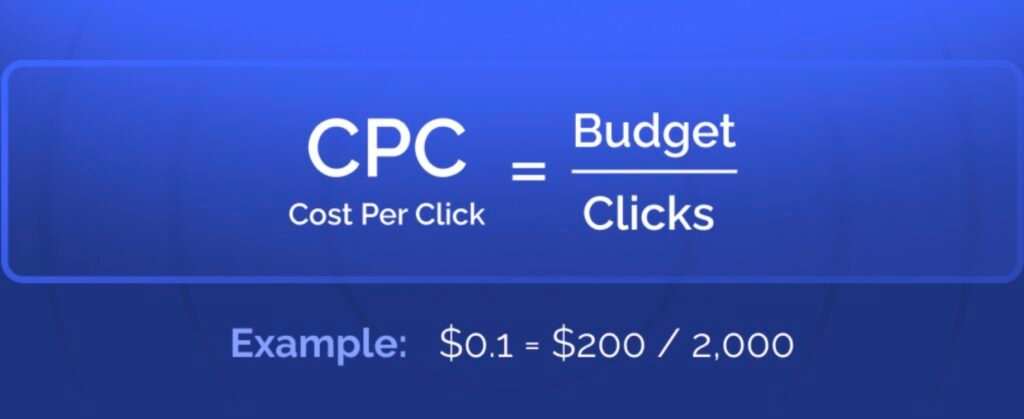
If your ad is getting clicked more often, you pay less for each click. Here’s how CPC is calculated.
Better Conversion Rates
Better targeting also means better conversion rates. People are more likely to take action if the ad matches what they’re looking for.
You’re not just pulling in random traffic, you’re getting people who are already interested. That’s the real power of audience segmentation in PPC campaigns.
Common Mistakes to Avoid
Like any other marketing strategy, the power of audience segmentation in PPC campaigns depends on choosing the right approach. Some of the PPC mistakes you should strive to avoid include the following:
- Over-Segmentation: This happens when you split your audience into too many small groups. You end up spreading your budget too thin, making it hard to collect enough data on each one. It also becomes harder to manage and track results.
- Ignoring Data Updates: Don’t rely solely on old data just because it seems to be working. Fresh insights can reveal new opportunities and hidden issues. Content trends and user behavior change, and outdated data won’t help you stay on track.
- Reusing the Same Ad Copy: Using the same PPC ad copy across every segment misses the point of segmentation. Different groups need different messages that speak to what matters to them. If the copy stays the same, you lose that connection.
- Vague Segment Rules: If your segments overlap or don’t have clear definitions, it becomes hard to measure what’s working. You might think one group is doing well, but the data is mixed. Clear, simple rules help you make better decisions even when using AI digital marketing tools for your campaigns.
- Focusing Too Much on Clicks: A high click rate doesn’t always mean the campaign is doing well. If those clicks don’t turn into sales or leads, the segment might not be worth your spend. Always track what happens after the click.
Wrapping Up
If you want to reduce your marketing cost, then it’s time you embraced the power of audience segmentation in PPC campaigns. You need to group your audience into segments that are easier to target with maximum returns.
Just ensure you don’t reuse the same ad copies, set vague segment rules, or rely too heavily on old data.
